






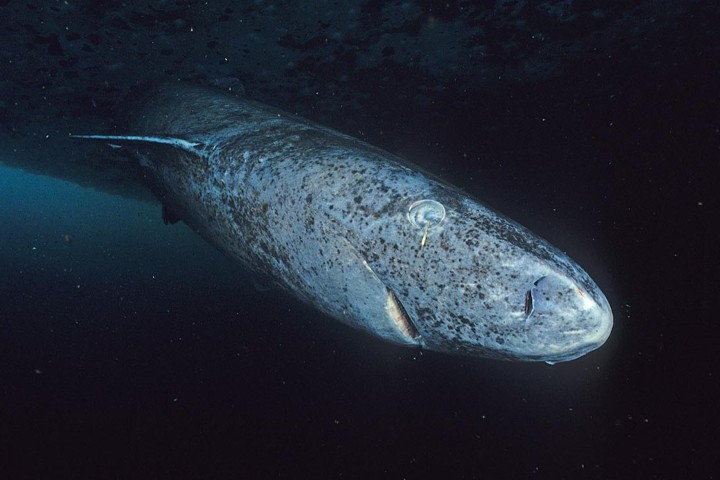
Researchers have found the Greenland shark maintains a functional and well-adapted visual system despite extreme cold, low light and frequent corneal parasitism.
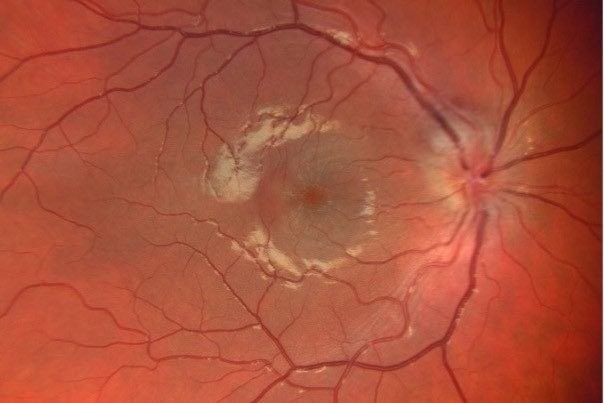
Published in Nature Communications, the study examined the retinas of Greenland sharks - a species estimated to live for up to 400 years - using genomics, transcriptomics, histology and functional assays. The researchers identified morphological adaptations typical of deep-sea species, including densely packed, elongated rod photoreceptors, with no obvious signs of retinal degeneration even in sharks more than a century old.
Retinal circuitry showed all key rod-based cell types were transcriptionally active, with genes involved in dim-light vision intact and robustly expressed. In contrast, many cone (bright-light) genes were either pseudogenised or unexpressed. The retinas also expressed DNA repair-associated genes, particularly the ERCC1-XPF endonuclease complex, which the authors suggest may support long-term visual maintenance across extreme lifespans. “Future studies could help clarify the role of the ERCC1-XPF complex in retinal maintenance in sharks and may reveal additional DNA repair pathways that contribute to visual longevity in this species,” said researchers.
Retinal membrane analysis also found high levels of docosahexaenoic acid and very-long-chain polyunsaturated fatty acids, likely supporting rhodopsin function in cold water, said researchers.