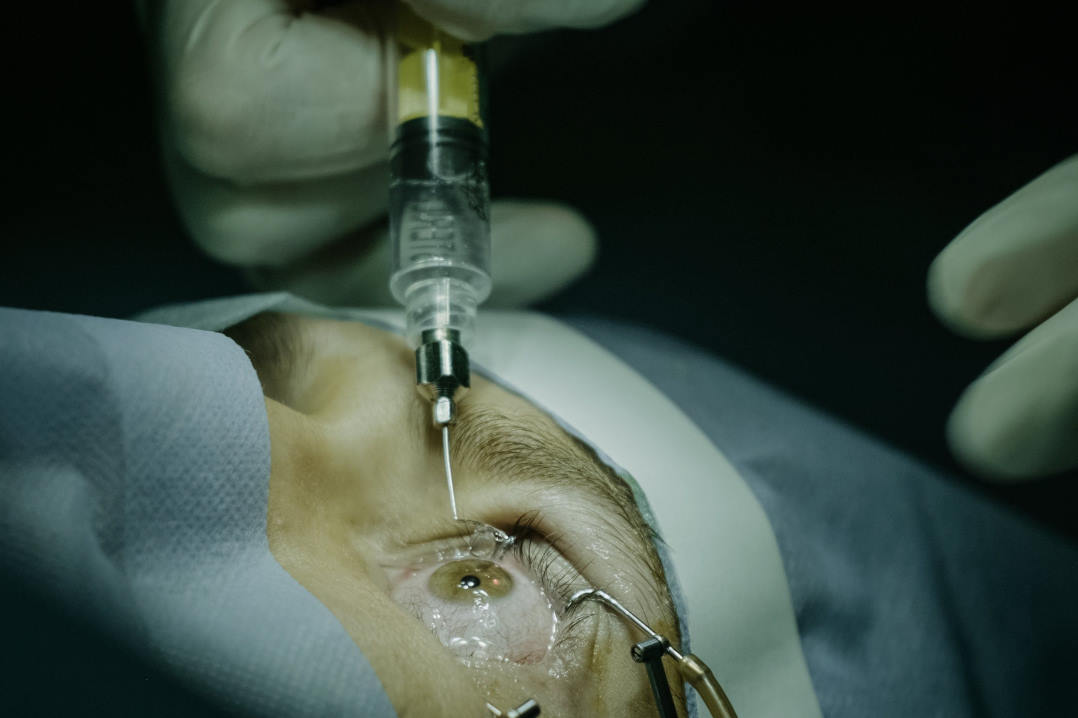





The US Food and Drug Administration (FDA) has approved Byooviz (ranibizumab-nuna), the first biosimilar to receive approval for the treatment of neovascular age-related macular degeneration (nAMD), macular oedema associated with retinal vein occlusion and myopic choroidal neovascularisation. A biosimilar of anti-VEGF treatment Lucentis (Genentech), Byooviz also received EU marketing authorisation in August 2021.
Professor Se Joon Woo, director of the Medical Device Research and Development Center at Seoul National University College of Medicine, led the phase 3 AMD study of Byooviz. Ranibizumab tends to be given less frequently in clinical practice than the recommended monthly dose, partly due to cost constraints, he told Modern Retina.
Biosimilars are usually lower priced than reference biologics but have comparable efficacy and safety to reference products, which can help increase patient access to treatments. “We do not know how biosimilars will fit into the healthcare system in the ophthalmology space… but there is potential for active utilisation of biosimilars by government or private insurers as a way to achieve cost savings,” said Prof Woo.
According to a 2020 report by IQVIA Institute for Human Data Science, new biosimilars will reduce drug costs over the next four years by more than US$100 billion in the US alone.