



While reading an article, I came across the word ‘phygital’ and wondered what it meant. The word is a portmanteau of ‘physical’ and ‘digital’, which got me thinking how it applied to optometry and business.
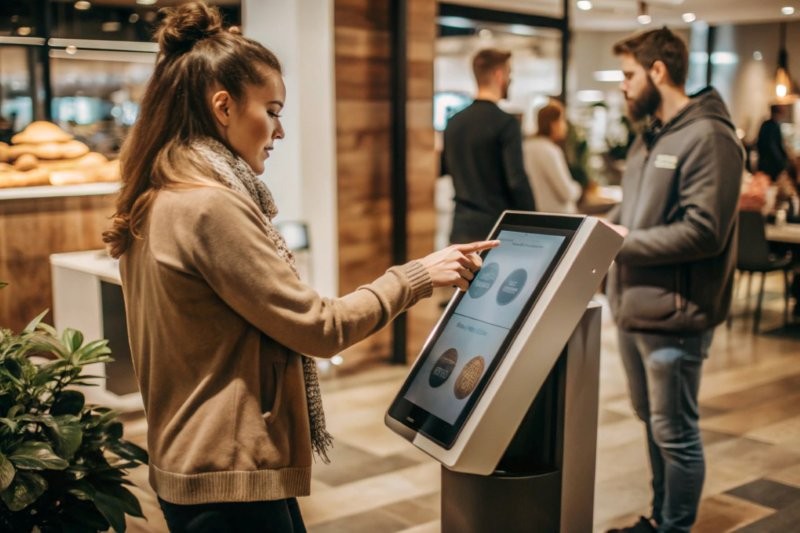
Phygital has been used in business settings for a long time. A good example is QR codes, which can be scanned by a prospective customer’s smartphone to link them to a business' website or specific information. You may also have come across them at some restaurant tables, allowing the customer to order and pay at the table. A lot of takeaway businesses now have ordering kiosks where you order what you want, pay for it and take a buzzer that tells you when it’s ready. All of this integration saves businesses time and money.
Another example of phygital technology is eyewear websites offering overlays of their frames to superimpose on your face using augmented reality and virtual try-on technology. Early versions were clunky, but now they can give a customer a pretty realistic idea of how the frame looks on them from different angles as they move their head. This is a true disruptor to the optical industry. Some customers still want to try the glasses on in a practice, but others don’t want to spend a lot of money on prescription glasses and can be easily catered to by this tech. Recently, a patient told me she had asked AI which sunglass frame colour options would suit her complexion, which made perfect sense to me.
Smartglasses are the next logical step in phygital technology. In my last article, I discussed their future and how they are capable of language translation, recording video, photography and even map directions.
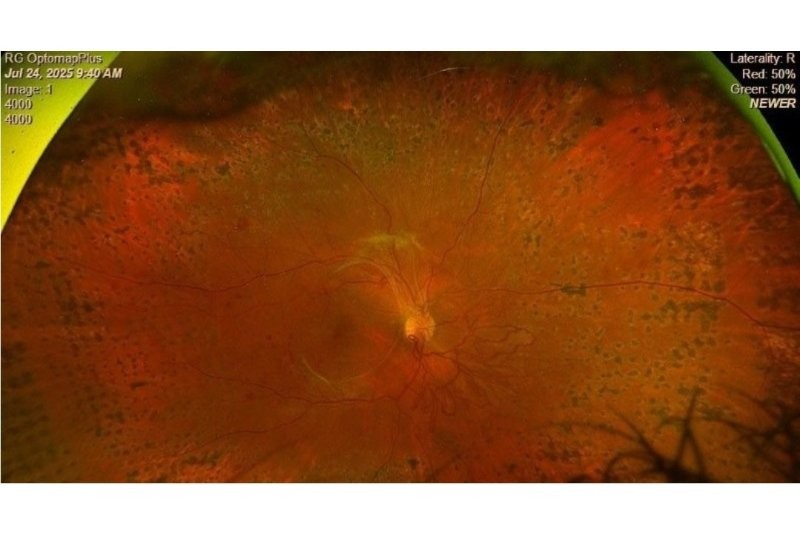
Optometry is beginning to embrace phygital within traditional patient care by using tele-optometry and remote eye health services, allowing patients to access care beyond traditional clinic settings. Mobile screening units equipped with AI can travel to rural or underserved communities to perform eye examinations. These systems can capture retinal images and detect signs of diabetic retinopathy or glaucoma. The data can then be reviewed by optometrists or ophthalmologists, combining digital efficiency with professional clinical judgement. This integration allows for earlier detection of eye diseases and improves access to eyecare.
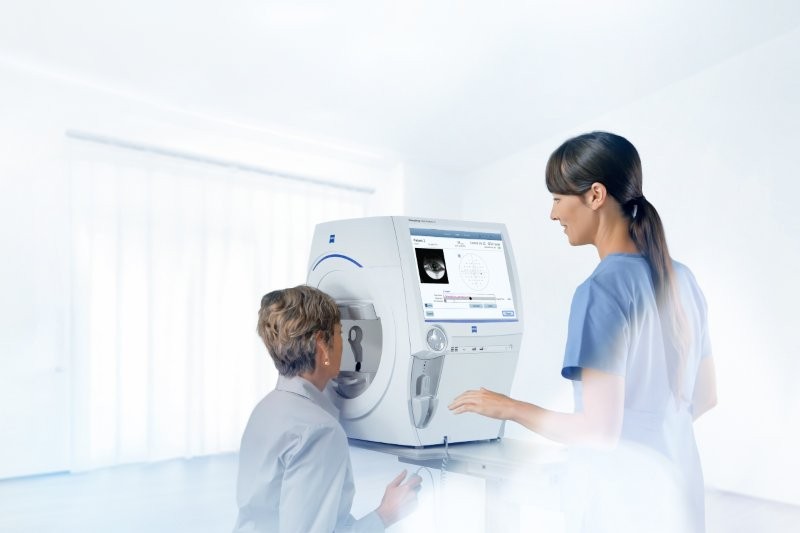
AI-powered image analysis is playing a growing role in diagnostics. In a phygital care model, patients could complete digital pre-screening tests before their appointment, undergo advanced imaging during the visit, then receive follow-up care through an online platform. However, as a practising optometrist, I find some aspects of this concerning. Considering all these unfolding digital advancements, one would hope that the in-person engagement with an optometrist would continue to be viewed as essential for patient communication, clinical evaluation and personalised treatment.
Jeremy Wong – a regular contributor to NZ Optics – is an optometrist at Gates Eyewear and Ocula Group’s clinical development manager.