




Hoya Vision Care has reported first-year trial data for Miyosmart iQ, with Hong Kong Polytechnic University (HKPU) researcher Professor Chi-ho To describing results as showing “some reversal” in older children.
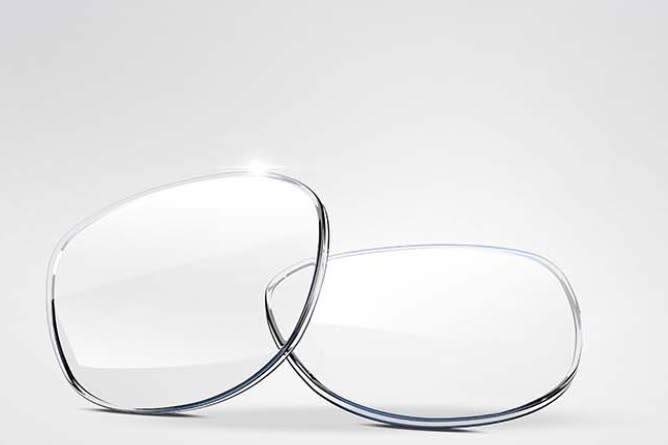
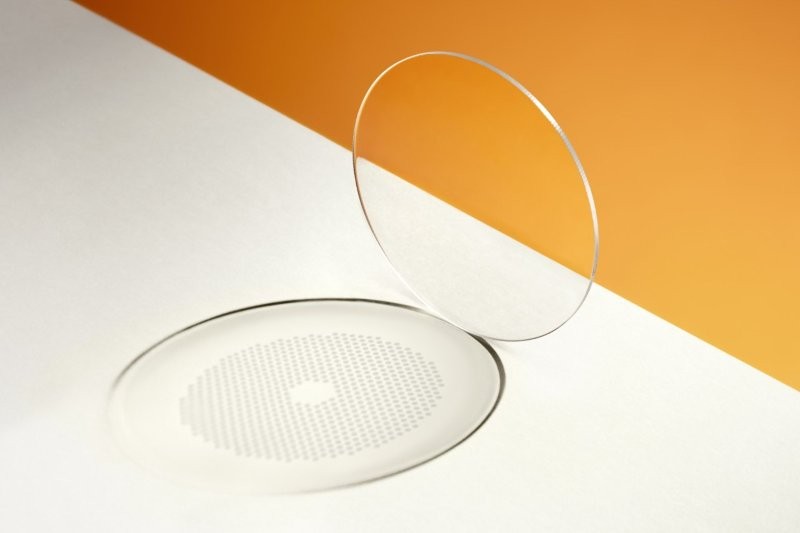
Presented at ARVO 2026 in May, the HKPU study is the first DIMS-based spectacle lens trial to report efficacy in children as young as four, Hoya said. The iQ lens differs from Miyosmart through defocus segments positioned closer to the geometric centre, higher defocus power and an extended treatment zone, intended to deliver a stronger and broader myopic-defocus signal to the near-peripheral retina, said the company.
Among the 196 Hong Kong schoolchildren who completed the 12-month trial, mean spherical equivalent refractive error (SER) change was +0.046D with Miyosmart iQ, compared with -0.534D with single-vision (SV) spectacle lenses. The mean axial length (AL) change of 0.075mm among iQ wearers (versus 0.346mm among SV lens wearers) was below or comparable to emmetropic eye growth, said Hoya. In children aged seven to 12 years, Miyosmart iQ delivered more than 100% myopia-control efficacy by SER and a 94% reduction in AL, while children aged four to six years showed 65% efficacy by SER and a 44% reduction in AL.
In a Hoya webinar discussing the results, Prof To said the trial included mainly Hong Kong Chinese children, of whom 64 wore single-vision lenses, 65 wore Miyosmart and 67 wore Miyosmart iQ. Prof To said Miyosmart wearers progressed by about 0.25D and about 0.2mm over 12 months, compared with minimal progression in the iQ group. He said the study’s older age groups (10–12 years old) showed “hardly any myopia progression” and some hyperopic growth.
Dr Natalia Vlasak, Hoya’s global head of medical and scientific affairs, said earlier safety and visual-performance testing found children could adapt to and tolerate the new design, with no impact on visual function.
Hoya CEO John Goltermann Lassen said launch plans for Australia and New Zealand would be communicated in the coming months.